

 Giải trí
 Hậu trường
 Âm nhạc
 Thời trang
 Phim
Phim Họ đã nói
 TV Show
 Đời sống
 Công nghệ
 Làm đẹp
 Sức khoẻ
 Xã hội
 Du lịch
 Văn hóa
 Triển lãm
 Hội hoạ
 Kết nối bạn đọc
 Đò đưa
 Thể thao
 Việt Nam
 Thế giới
 HÀNH TRÌNH TỪ TRÁI TIM!
 Tủ sách Diên Vĩ
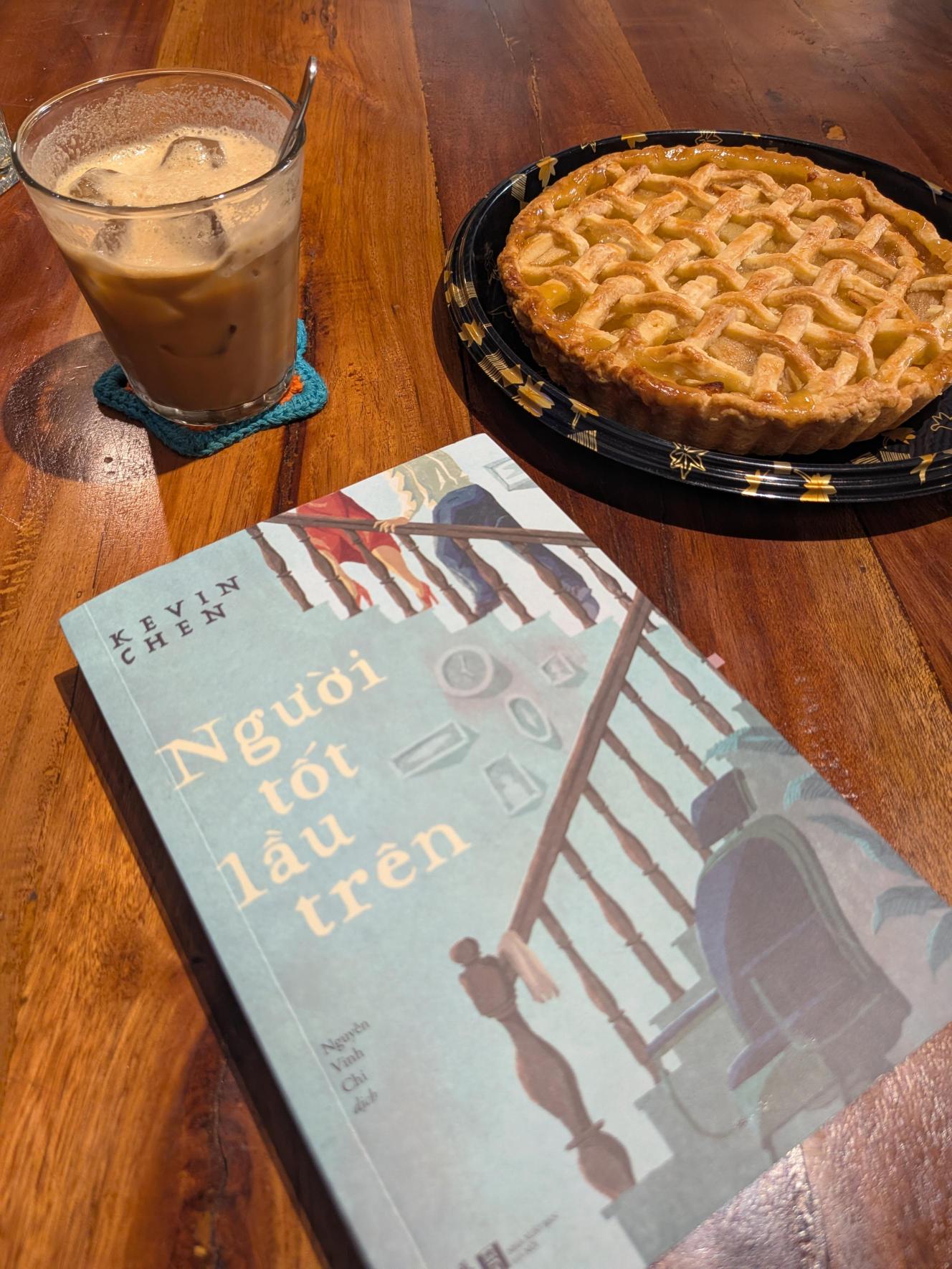
The good people upstairs
From a Poor Countryside to a Rising City
If Ghost Town portrays the painful destinies and archaic customs of superstitious Yongjing, then Linyuan is an entirely different world: a prosperous place where German cars flood the streets, designer brands fill wardrobes, and banks and shopping malls dominate the scenery, a city where people invoke money and success as justification for becoming cruel.
And yet, somewhere there is still the railway street, where nameless figures live, grow up, and witness both the best and the most grotesque aspects of humanity.
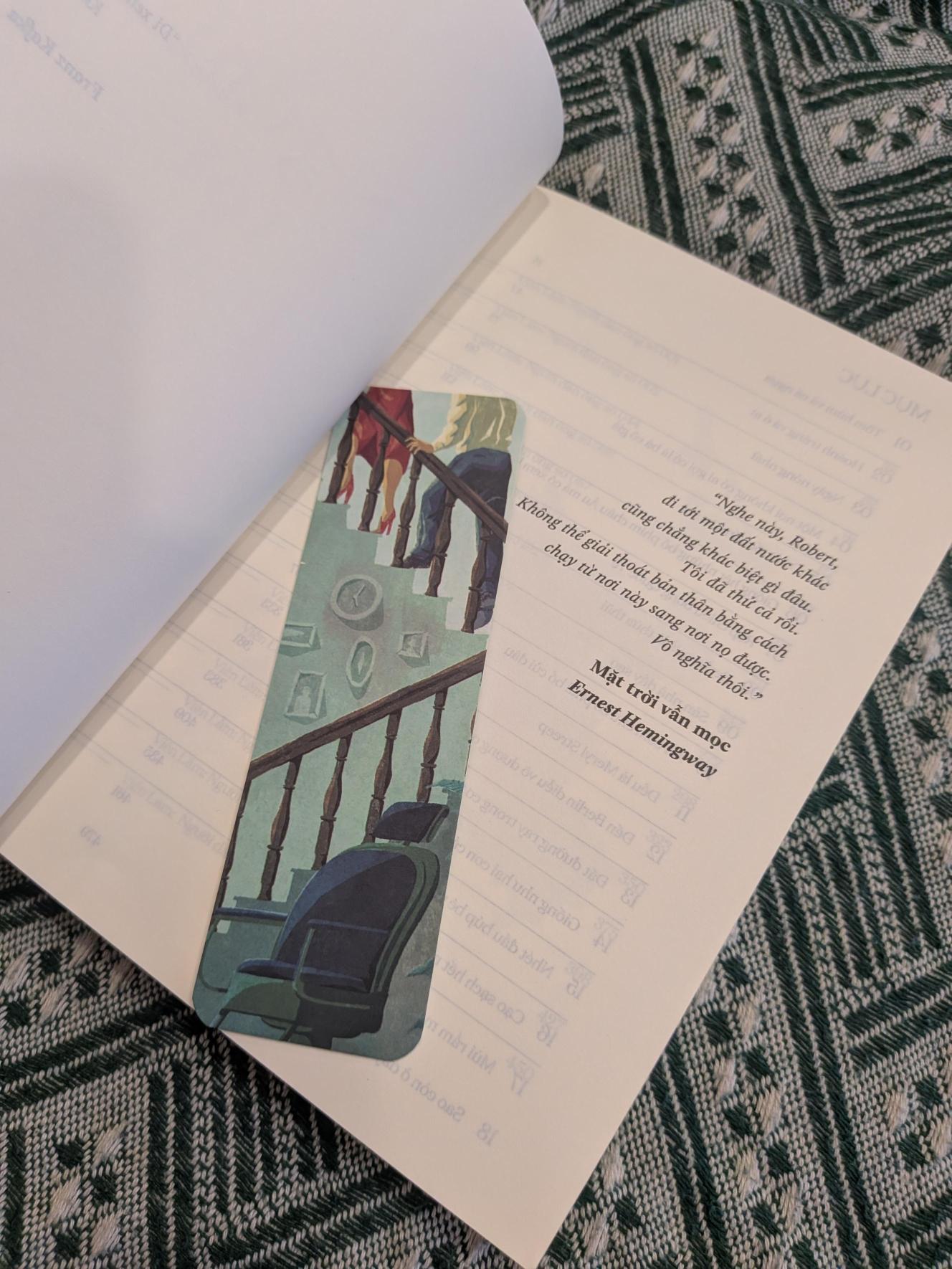
The story revolves around Big Sister and Little Brother, between Linyuan and Berlin, between past and present, between goodness in dark places and decay amid prosperity. Big Sister flees her family troubles and is forced to go to Germany with Little Brother. The two siblings are separated by secrets they wish to forget. As Hemingway wrote in The Sun Also Rises: “You can’t get away from yourself by moving from one place to another.”
Berlin does not save them. That distant metropolis only makes them realize that no one can save them, no matter how far they run.
A Familiar Kevin Chen, But More Refined
The looping style remains. The characters’ questions are not meant to be answered; they spiral deeper into pain and disorientation. Why do they ask? Not in search of redemption. Not because they are innocent, but because they are weak. And such weakness cannot be absolved by a thousand questions.
The novel still grapples with the perennial torments of humankind: prejudice against difference, injustice, and a cruelty that seems boundless. Yet compared to Ghost Town, The Good People Upstairs is more distilled and emotionally resonant.
Rather than following a wide cast, this novel centers on largely unnamed figures (with the exception of the mother, Meili, whose name echoes a certain mature beauty of the railway-street woman). The rest are nearly nameless, or their names scarcely matter. And yet their personalities are vividly drawn. The unnamed men appear merely as numbers, but behind each number lies a story, a human being. Even in passing, they remain striking, strange in their own way.
The narrative moves at an even pace. Present-day episodes raise questions that the past attempts to answer. At first, The Good People Upstairs may seem fragmented, almost disjointed, but the further we read, the more we understand. Not because we acquire more information, but because we gradually come to empathize with these characters, named or unnamed. An stubborn sister, an extreme brother, an eccentric mother. And behind them are answers, not necessarily the right answers, but answers that allow us to feel for them after their moments of human frenzy.
But the story does not end there. We see many shades of worldly habit: some pitiful, some repulsive. Some are corrupted by society, others simply by money. Yet there are also those who change simply because they find a place they can call their own.
And Up There, Upstairs
“The good people upstairs” sounds simple enough. That upstairs place might sound sordid according to social standards, not only in Taiwan, but in Vietnam, or in any Asian country.
Yet it is precisely there that we encounter the most truths. Meili always says that the people upstairs are good people. Perhaps that is why the father of her children is never remembered as a good man. Those people from upstairs help her raise her children; they help her survive in a world governed by rigid codes of morality and propriety.
Upstairs, there is no right or wrong, only each person’s private world. They long for a place to exist in this cluttered society. There, desire need not be hidden, flaws are not condemned, and no one pretends to be pure. They simply exist.
Amid pleasure, there are voices, laughter, tears, sympathy, and shared understanding. There are whispered confidences and gentle goodnights that make the reader sigh for these belated lives.
And there is the final client, client 399, the one Kevin Chen uses to write this story.
Kevin Chen does not ask who the good person is.
He asks instead: How honest are we willing to be?
Bình luận bài viết (0)
Bạn cần đăng nhập để bình luận.

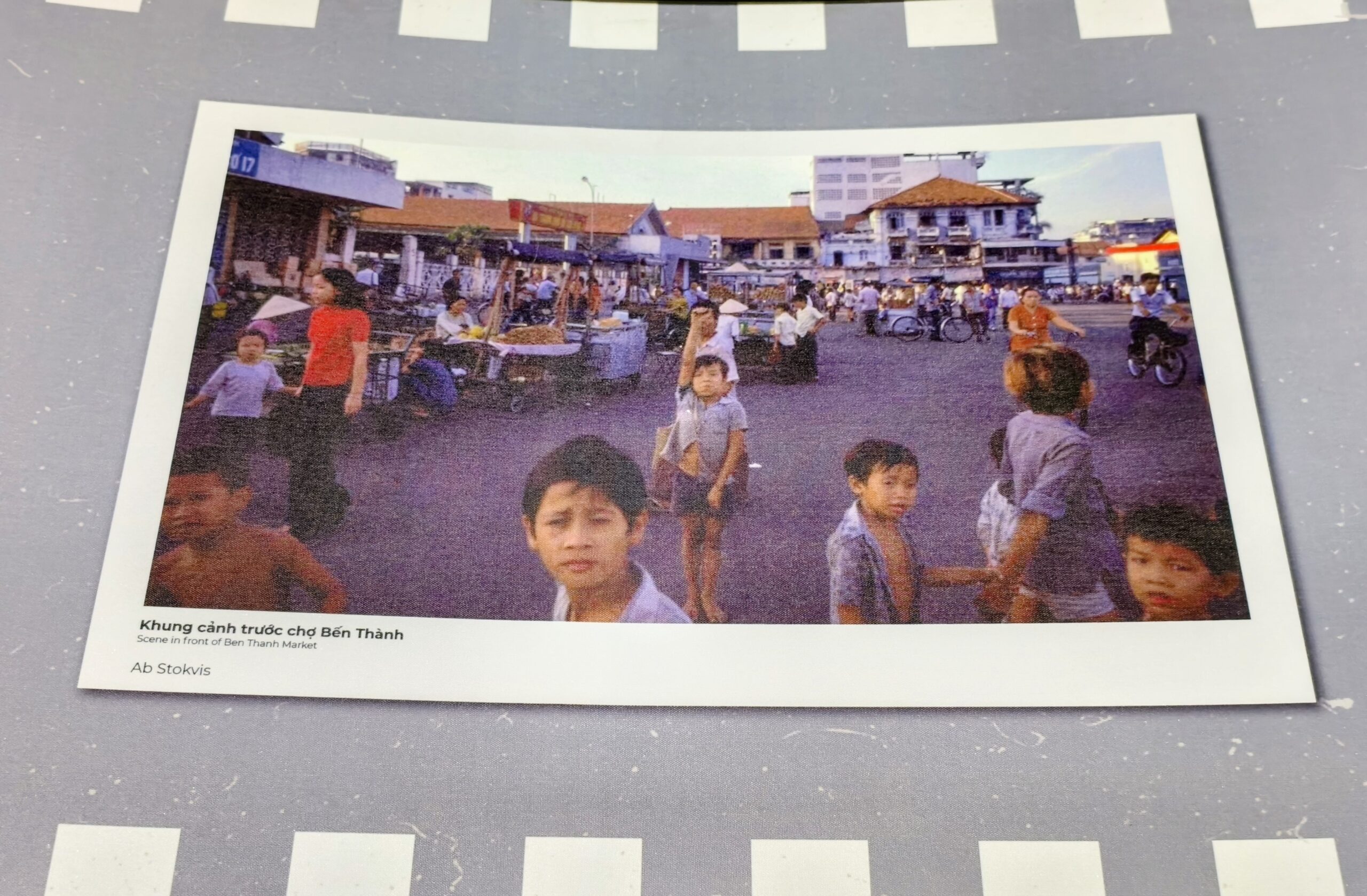

Ôm trọn thành phố trong triển lãm ‘Những con mắt của thời gian’


Hơn 1.600 sinh viên từ 90 trường đại học tham gia cuộc thi Marketing Generators


Đờn ca tài tử: hồn quê Nam Bộ ngân vang trong đời sống hiện đại

Nhật ký Hành trình Từ Trái Tim: Thế hệ trẻ giàu khát vọng và trách nhiệm

Nhật ký Hành trình Từ Trái Tim: Khởi nghiệp kiến quốc bắt đầu từ chí lớn

Gen Z đánh thức di sản qua dự án ‘Âm vang rối nước’

Lagom: Biết đủ là tự do, vừa đủ là hạnh phúc trọn vẹn

Các hoa hậu, nghệ sĩ lan tỏa tri thức và khát vọng tại Hành trình Từ Trái Tim

Cảm ơn bạn đã đăng ký.
Chúng tôi rất vui khi có bạn đồng hành cùng hành trình lan tỏa những điều tích cực.
Khám phá ngay để bắt đầu trải nghiệm những tính năng tuyệt vời dành riêng cho bạn!




Chưa có bình luận.